
Ruffed Grouse and Woodcock Hunting Tips for Beginners
- ggstef
- Jul 21, 2025
- 3 min read
Hunting can be an exhilarating experience, especially when it involves the thrill of pursuing game birds like the ruffed grouse and woodcock. For beginners, the world of bird hunting can seem daunting. However, with the right tips and knowledge, you can enjoy a successful and rewarding outing. This guide will provide you with essential tips to help you get started on your ruffed grouse and woodcock hunting journey.
Understanding the Birds
Before you head out into the field, it is crucial to understand the birds you are hunting.
Ruffed Grouse
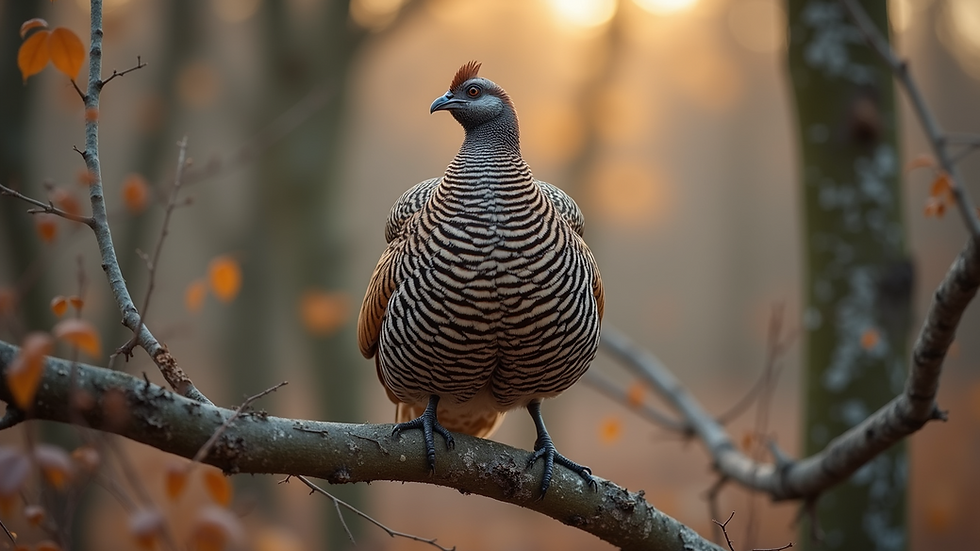
Ruffed grouse are medium-sized birds known for their distinctive ruff of feathers around their neck. They are often found in wooded areas, especially where there is a mix of young and mature trees.
Habitat: Look for them in areas with dense cover, such as thickets and brushy edges. They prefer places with plenty of food sources, like berries and seeds.
Behavior: Ruffed grouse are known for their unique drumming display during mating season. They can be elusive, often flushing at the last moment, so be prepared for quick reactions.
Woodcock
Woodcock are smaller birds that are often found in wet, brushy areas. They are known for their distinctive flight pattern, which can make them challenging to hunt.
Habitat: Look for woodcock in moist areas with dense underbrush. They often feed in soft, muddy ground where they can probe for earthworms.
Behavior: Woodcock are known for their zigzag flight pattern when flushed. They tend to fly low and can be difficult to track.
Essential Gear for Beginners
Having the right gear is essential for a successful hunting trip. Here are some items you should consider bringing along.
Firearm and Ammunition
Clothing
Camouflage: Wear clothing that blends in with the environment.
Footwear: Sturdy, waterproof boots are essential for navigating through wet and uneven terrain.
Layers: Dress in layers to adjust to changing weather conditions.
Accessories
Binoculars: Useful for spotting birds from a distance.
Game Bag: A bag to carry your harvested birds.
First Aid Kit: Always be prepared for minor injuries.
Finding the Right Location
Choosing the right location can make all the difference in your hunting success.
Research Local Areas
Public Lands: Many states have public lands designated for hunting. Research these areas to find the best spots.
Private Lands: If you have access to private land, make sure to get permission from the landowner.
Scout Before You Hunt
Visit the Area: Take a trip to your chosen location before the hunting season. Look for signs of grouse and woodcock, such as droppings or feathers.
Observe the Terrain: Familiarize yourself with the layout of the land. Identify potential hiding spots and feeding areas.
Hunting Techniques
Once you are in the field, it is time to put your knowledge into practice.
Walking Techniques
Slow and Steady: Move slowly and quietly through the woods. Grouse can be easily startled, so patience is key.
Use a Dog: If you have a trained hunting dog, they can help locate birds and flush them out.
Calling Techniques
Grouse Calls: Use a grouse call to mimic their drumming sound. This can attract them to your location.
Woodcock Calls: Woodcock can be called using a simple whistle or by imitating their peent sound.
Safety First
Safety should always be your top priority while hunting.
Follow Hunting Regulations
Licenses: Ensure you have the proper hunting licenses and permits for your area.
Season Dates: Be aware of the hunting season dates for both ruffed grouse and woodcock.
Practice Gun Safety
Always Point Your Gun in a Safe Direction: Keep your firearm pointed away from yourself and others.
Identify Your Target: Make sure you know what you are shooting at before pulling the trigger.
Post-Hunt Care
After a successful hunt, it is important to take care of your game properly.
Field Dressing
Field Dress Immediately: Remove the entrails and feathers as soon as possible to preserve the meat.
Cool the Meat: Keep the birds cool to prevent spoilage.
Cooking Tips
Ruffed Grouse: These birds are best cooked quickly, either by grilling or frying.
Woodcock: Woodcock can be roasted or braised for a delicious meal.
Final Thoughts
Hunting ruffed grouse and woodcock can be a rewarding experience for beginners. With the right preparation, knowledge, and respect for the environment, you can enjoy a successful outing. Remember to take your time, stay safe, and most importantly, have fun.
As you embark on your hunting journey, keep these tips in mind. Each outing will teach you something new, and with practice, you will become more skilled and confident. Happy hunting!


Comments